
Feasterville, Pennsylvania, United States, 30th Oct 2026 - Understanding how a construction project moves from an initial idea to a completed structure can help property owners make informed decisions. General Contracting involves coordinating the different tasks, trades, materials, and schedules required to complete a construction or renovation project. A general contractor typically helps organize the work, communicate with subcontractors, monitor progress, and address issues that may arise during construction.
Whether you are planning a home improvement project, a commercial renovation, or a larger construction job, knowing what to expect can make the process easier to manage. Each project has different requirements, costs, timelines, and approval processes, so proper planning is important. By understanding the main stages of construction, property owners can communicate more effectively with their contractor and make decisions that support their project goals.
Initial Consultation and Project Planning
The process often begins with a consultation to discuss the property owner’s goals, budget, preferred timeline, and project requirements. This conversation helps establish the scope of work and identifies important details that need further evaluation before construction begins.
During planning, the contractor may review the property, discuss design ideas, and identify potential challenges. A clear project scope helps everyone understand the expected work and reduces the likelihood of misunderstandings later.
Preparing a Realistic Construction Budget
Budgeting is an important part of preparing for construction. The estimated cost may include labor, materials, equipment, subcontractor services, permits, and other project-related expenses.
A detailed estimate helps property owners understand how the available budget relates to the proposed work. Costs may change if the project scope changes, material prices fluctuate, or unexpected conditions are discovered. Discussing allowances, payment schedules, and contingency funds before work begins can help prepare for these possibilities.
Design, Plans, and Project Specifications
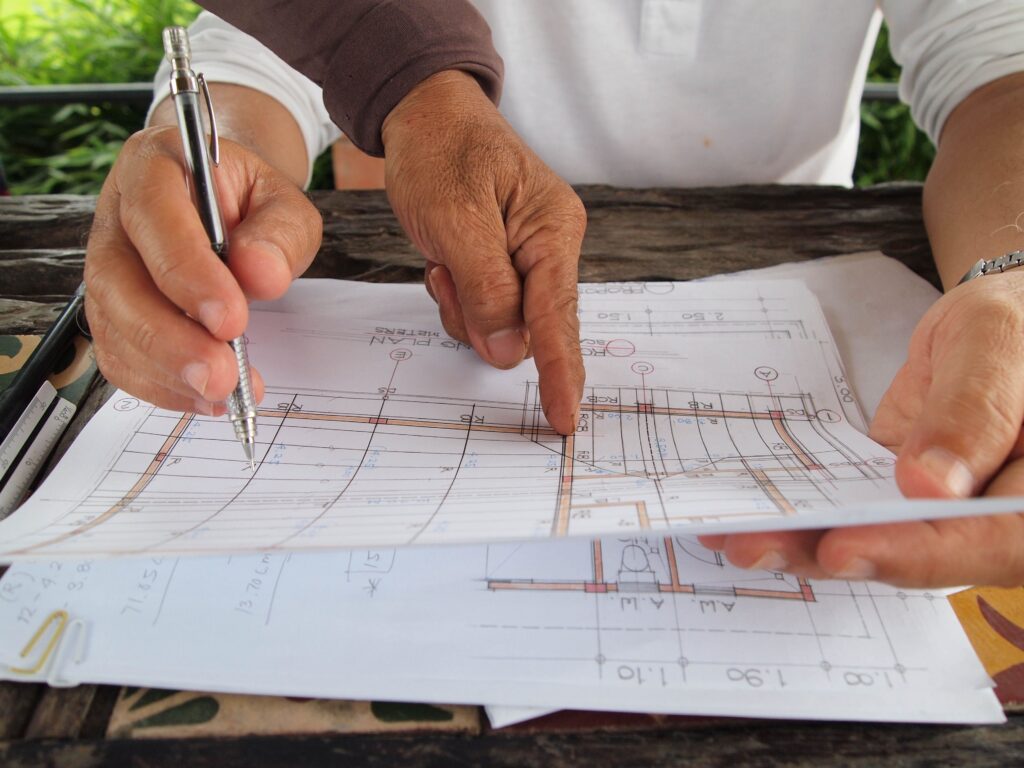
Some projects require architectural drawings, engineering plans, or detailed specifications before construction can begin. These documents explain the intended layout, dimensions, materials, and technical requirements of the work.
The level of planning depends on the project’s complexity and applicable building requirements. Property owners should review the proposed plans and clarify important details before approving them. Resolving design questions early can reduce confusion during construction and help the contractor coordinate the necessary trades.
Permits and Building Code Requirements
Construction and renovation projects may require permits or inspections, depending on the location and type of work involved. Requirements can vary for structural changes, electrical installations, plumbing work, and other improvements.
The contractor and property owner should clarify which approvals are necessary and who will handle each application. Work should follow applicable building codes and permit conditions. Addressing these requirements before construction helps establish a clear path forward and reduces the risk of delays caused by missing approvals.
Hiring Subcontractors and Coordinating Trades
Many construction projects involve several specialized trades, such as electricians, plumbers, carpenters, and painters. A general contractor may coordinate these professionals to ensure their work follows the project plans and schedule.
Coordination is important because different tasks often depend on one another. For example, certain plumbing and electrical work may need to be completed before walls are closed or finished surfaces are installed. Clear communication among the people involved helps keep work organized and allows scheduling conflicts to be addressed.
Scheduling Materials, Labor, and Equipment
A construction schedule outlines the order of tasks and the approximate time needed for each stage. The contractor considers labor availability, material deliveries, inspections, and dependencies between different types of work.
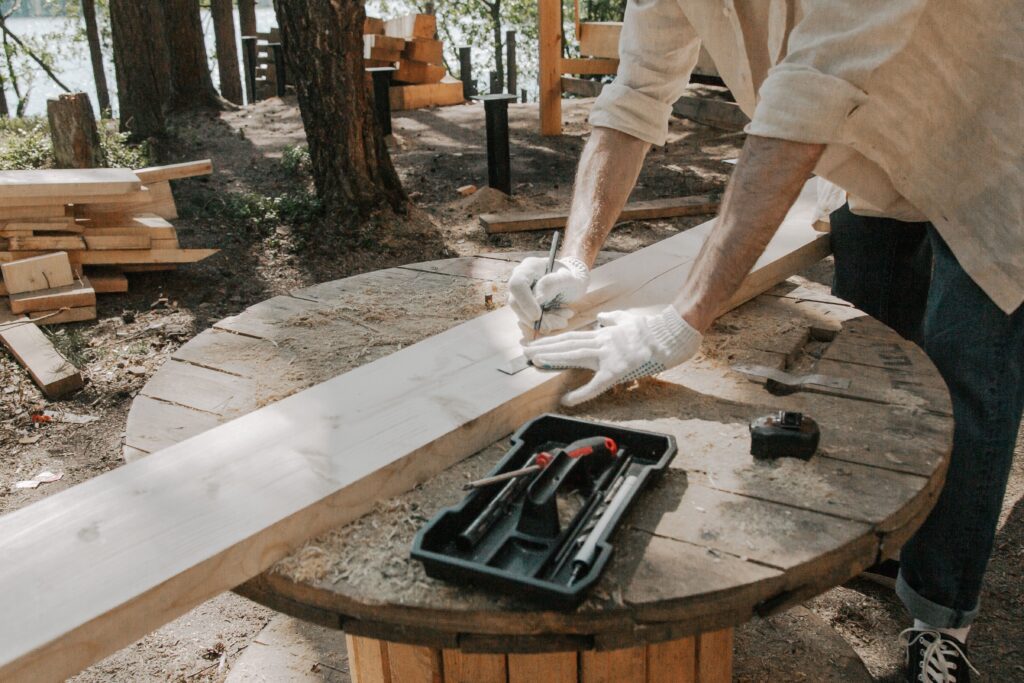
Schedules may change because of weather, supply delays, unexpected property conditions, or adjustments requested by the owner. Regular updates help everyone understand the current status and any changes to the expected completion date. Planning deliveries and coordinating resources can also reduce unnecessary interruptions.
Managing Construction and Monitoring Progress
Once the required preparations are complete, construction can begin according to the approved plans and agreed scope. The contractor coordinates daily activities, communicates with subcontractors, and monitors whether the work is progressing as expected.
Property owners should have a clear way to ask questions and receive progress updates. Site visits and regular discussions can help identify concerns before they affect later stages. If a change becomes necessary, the parties should discuss its cost, schedule implications, and approval before proceeding whenever practical.
Handling Changes and Unexpected Problems
Construction projects can uncover hidden damage, outdated systems, or other conditions that were not apparent during initial planning. Owners may also request changes to layouts, finishes, or materials after work has started.
A change order documents an agreed adjustment to the original scope, including any relevant cost or schedule changes. Written approval helps maintain a shared understanding of the revised work. Discussing unexpected issues promptly allows the contractor and property owner to evaluate options before deciding how to proceed.
Inspections, Quality Checks, and Final Walkthrough
As work progresses, inspections may be required at specific stages, depending on the project and local regulations. These inspections help determine whether applicable requirements have been met, while additional quality checks can identify unfinished work or items needing correction.
Near completion, the contractor and property owner can conduct a final walkthrough to review the agreed scope. They should document outstanding items, discuss how corrections will be handled, and clarify any applicable warranties or maintenance instructions. Required approvals and project documents should also be collected when applicable.
Project Completion and Final Documentation
The final stage involves confirming that the agreed work is complete and reviewing outstanding financial or administrative matters. Depending on the contract, this may include final payments, receipts, inspection records, warranties, and relevant product documentation.
Property owners should keep these records in an accessible place for future reference. Understanding maintenance requirements and whom to contact about remaining concerns can also make it easier to care for the completed space. Clear communication at handover helps both parties understand what has been delivered and what responsibilities remain.
Frequently Asked Questions
What Does a General Contractor Do?
A general contractor coordinates construction activities, subcontractors, materials, and schedules. Responsibilities depend on the contract and the specific needs of the project.
How Long Does the General Contracting Process Take?
The timeline depends on project size, complexity, permits, material availability, and unexpected conditions. A contractor can provide an estimated schedule after reviewing the project requirements.

Do All Construction Projects Require Permits?
No, permit requirements vary according to the location and type of work. Property owners should confirm applicable requirements with the local building department before construction begins.
Can a Construction Project Change After Work Starts?
Yes, changes may be necessary because of unforeseen conditions or updated owner preferences. Discussing the impact on cost and timing and documenting approved changes helps prevent misunderstandings.
Why Is Communication Important During Construction?
Regular communication helps property owners understand progress, address concerns, and make timely decisions. It also helps the contractor coordinate work and communicate schedule adjustments.
Conclusion
Understanding the construction process helps property owners prepare for each stage, from initial planning and budgeting to inspections and final documentation. Effective coordination, clear project specifications, realistic scheduling, and written agreements can make construction easier to manage. Although unexpected issues may arise, open communication and documented decisions help keep the project organized.
Choosing a contractor who explains responsibilities, discusses project expectations, and provides appropriate updates can support a more informed construction experience. Before work begins, review the proposed scope, estimated costs, payment terms, and expected timeline so everyone understands the plan. With careful preparation and ongoing coordination, property owners can make decisions that align with their needs and project goals.
Planning a Construction Project in Feasterville?
Thomas General Contracting can be a point of contact for property owners exploring construction or renovation work in Feasterville. Discussing your project requirements, priorities, and expectations is a useful first step toward understanding the work involved.
Contact Thomas General Contracting at 215-703-8324 to discuss your project and ask about the next steps. Be prepared to explain your goals, the type of work you are considering, and any questions you have about planning, budgeting, or scheduling.
Thomas General Contracting
+12673125728
Media Contact
Organization: Thomas General Contracting
Contact Person: Thomas General Contracting
Website: https://thomasgeneral.com/
Email: Send Email
Contact Number: +12673125728
Address: 70 Irving Pl, Feasterville-Trevose, PA 19053, United States
Address 2: 5X3W+52 Feasterville, Pennsylvania, USA
City: Feasterville
State: Pennsylvania
Country: United States
Release id: 50343
View source version on King Newswire:
How Does the General Contracting Process Work
Disclaimer: The views, recommendations, and opinions expressed in this content belong solely to the third-party experts. This site was not involved in the writing and production of this article.